
If you are new to digital marketing, you may have heard the question: What is SEO in digital marketing? SEO stands for Search Engine Optimization. It is the process of improving a website and its content so that search engines can understand it better and users can discover it through organic search results.
SEO is one of the most important parts of digital marketing because it can help businesses increase website visibility, attract relevant visitors, build credibility, and generate leads without paying for every individual click.
What Is SEO in Digital Marketing in Simple Words?
In simple words, SEO means making your website easier for search engines and people to find.
For example, if someone searches for “best digital marketer in Calicut,” businesses that have optimized their websites for relevant search terms may appear in the search results. Good SEO involves creating useful content, optimizing website pages, improving technical performance, and building authority.
What Is Search Engine Optimization?
Search Engine Optimization is a collection of strategies used to improve a website’s organic visibility on search engines such as Google.
Search engines use complex systems to understand and rank web pages. SEO helps search engines understand what a page is about and determine whether it provides useful information for a particular search query.
The fundamental concepts of SEO include keywords, search intent, quality content, backlinks, technical SEO, website experience, and authority.
What Is SEO in Digital Marketing and How Does It Work?
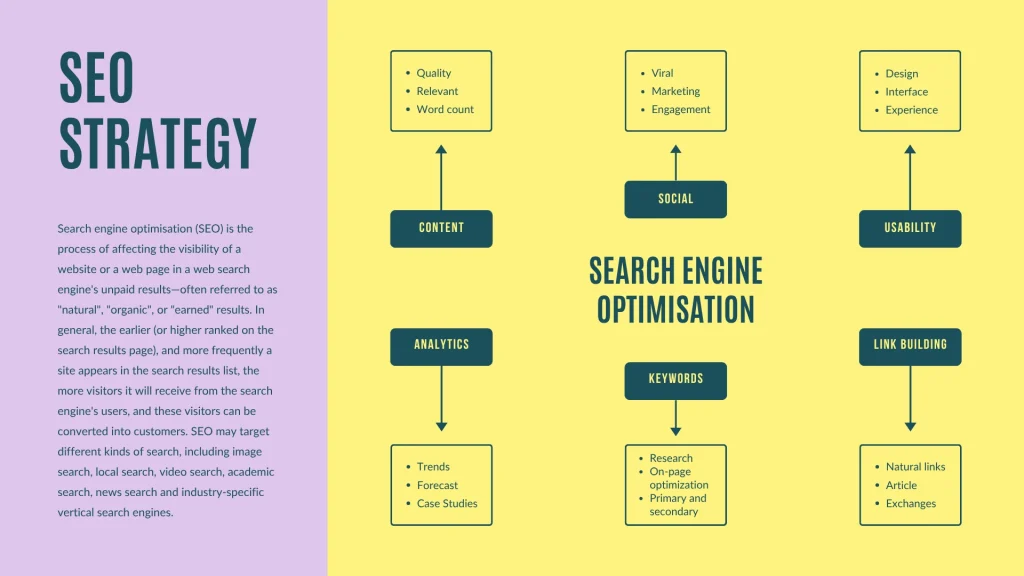
1. On-Page SEO
On-page SEO focuses on elements within your website. This includes keyword placement, title tags, meta descriptions, headings, content quality, image optimization, internal linking, and URL structure.
2. Off-Page SEO
Off-page SEO involves activities outside your website that can help build authority and credibility. Backlinks are one of the most important elements commonly associated with off-page SEO.
3. Technical SEO
Technical SEO focuses on the technical aspects of a website, including page speed, mobile responsiveness, crawlability, indexing, structured data, and website architecture.
4. Local SEO
Local SEO helps businesses appear in searches connected to a specific location. It is particularly valuable for small businesses in India that serve customers within a particular city or region.
For example, a restaurant in Calicut can optimize its online presence for searches such as “restaurants in Calicut” or “best restaurants near me.”
What Is an SEO Backlink?
An SEO backlink is a link from another website pointing to your website. For example, if Website A links to a useful article on Website B, Website B receives a backlink from Website A.
Backlinks can help search engines discover pages and may contribute to a website’s authority when they come from relevant, trustworthy sources.
What Is the SEO Value of Backlinks?
The value of a backlink depends on factors such as the relevance and credibility of the linking website, the context of the link, and whether the link is useful to users.
Quality is generally more important than simply having a large number of backlinks. This means businesses should focus on earning relevant and trustworthy links rather than creating backlinks indiscriminately.
SEO Examples in Digital Marketing
Consider a local digital marketing professional who wants to attract clients from Calicut. They could create a page targeting relevant searches such as “digital marketing services in Calicut.”
The strategy could include:
- Creating helpful service pages
- Optimizing page titles and headings
- Publishing SEO-focused blog content
- Adding internal links
- Improving website speed
- Optimizing Google Business Profile
- Earning relevant backlinks
- Creating locally relevant content
Together, these activities can improve organic visibility and support lead generation.
Why Is SEO Important in Digital Marketing?
SEO is important because people frequently use search engines to find information, products, services, and businesses.
A strong SEO strategy can help businesses:
- Increase organic website traffic
- Improve online visibility
- Reach people with relevant search intent
- Generate leads and potential customers
- Build long-term website authority
- Support local business discovery
- Reduce dependence on paid advertising
SEO can therefore complement other digital marketing activities such as social media marketing, content marketing, email marketing, and paid advertising.
SEO is also a career opportunity within digital marketing. SEO salary varies depending on experience, location, skills, company, and job role.
Beginners may start in roles such as SEO intern or junior SEO executive, while experienced professionals can progress into positions such as SEO specialist, SEO manager, technical SEO specialist, or SEO strategist.
Learning keyword research, analytics, content optimization, technical SEO, local SEO, and SEO tools can help build a career in this field.
Best SEO Tools for Digital Marketing
SEO professionals use different tools to research keywords, monitor rankings, analyze competitors, identify technical issues, and measure website performance.
Popular options include Google Search Console, Google Analytics, Google Trends, Semrush, Ahrefs, and other SEO platforms. The best tool depends on your goals, budget, and level of experience.
How to Learn SEO for Digital Marketing
You can learn SEO through online courses, tutorials, professional certifications, practical projects, and hands-on website optimization. Beginners should focus on understanding search intent, keyword research, on-page SEO, technical SEO, backlinks, analytics, and local SEO.
Practical experience is especially valuable because SEO involves continuous testing, analysis, and optimization.
Frequently Asked Questions
What does SEO stand for?
SEO stands for Search Engine Optimization.
What is SEO and why is it important?
SEO is the process of improving a website’s organic visibility in search engines. It is important because it can help businesses attract relevant visitors, improve visibility, and generate leads.
What are the main types of SEO?
The main types include on-page SEO, off-page SEO, technical SEO, and local SEO.
What is off-page SEO and how do backlinks help?
Off-page SEO includes activities performed outside your website to build authority. Backlinks can contribute to this by connecting your website with other relevant and trustworthy websites.
What are the essential elements of an effective SEO campaign?
Important elements include keyword research, search intent analysis, quality content, on-page optimization, technical SEO, internal linking, backlinks, local optimization where relevant, and continuous performance monitoring.
How does SEO fit into a broader digital marketing strategy?
SEO works alongside content marketing, social media, email marketing, paid advertising, and other channels. Organic search can attract users who are actively searching for information, products, or services.
What are the best SEO tools for digital marketing in India?
Google Search Console and Google Analytics are useful starting points. Professionals may also use tools such as Semrush, Ahrefs, Google Trends, and other specialized SEO platforms.
What is the significance of local SEO for small businesses in India?
Local SEO helps small businesses become more visible to customers searching for products or services in specific locations. Optimizing local business information and creating location-relevant content can support local discovery.
Can I learn SEO through an online course?
Yes. You can learn SEO through online courses, certifications, tutorials, and practical projects. Combining structured learning with hands-on website optimization can provide a stronger understanding of SEO.
How can AI help with SEO?
AI can help with keyword research, content ideas, search-intent analysis, content briefs, competitor research, and SEO workflows. However, human review is important to ensure content is accurate, useful, original, and aligned with the audience’s needs.